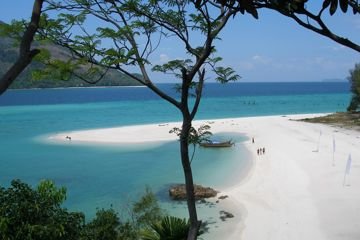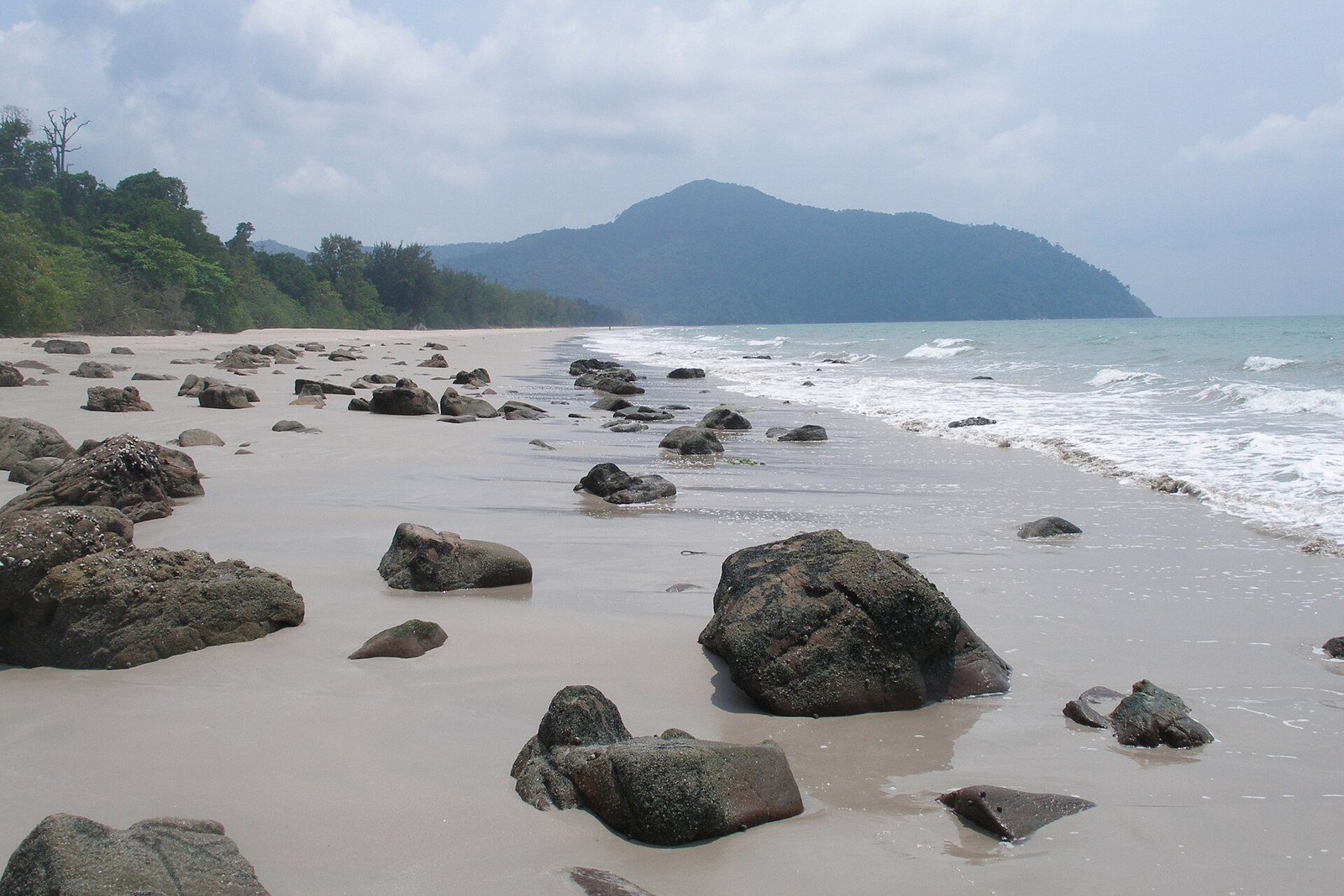
Ko Tarutao is the large main island that gives Tarutao National Park its name. It is not another name for Ko Lipe, and an itinerary sold around the wider archipelago does not necessarily leave meaningful time on Tarutao itself. Choose it for a national park stay, forest-and-coast exploring and historical context, then confirm the boat arrangements for that particular island.
Keep the island and the wider park separate
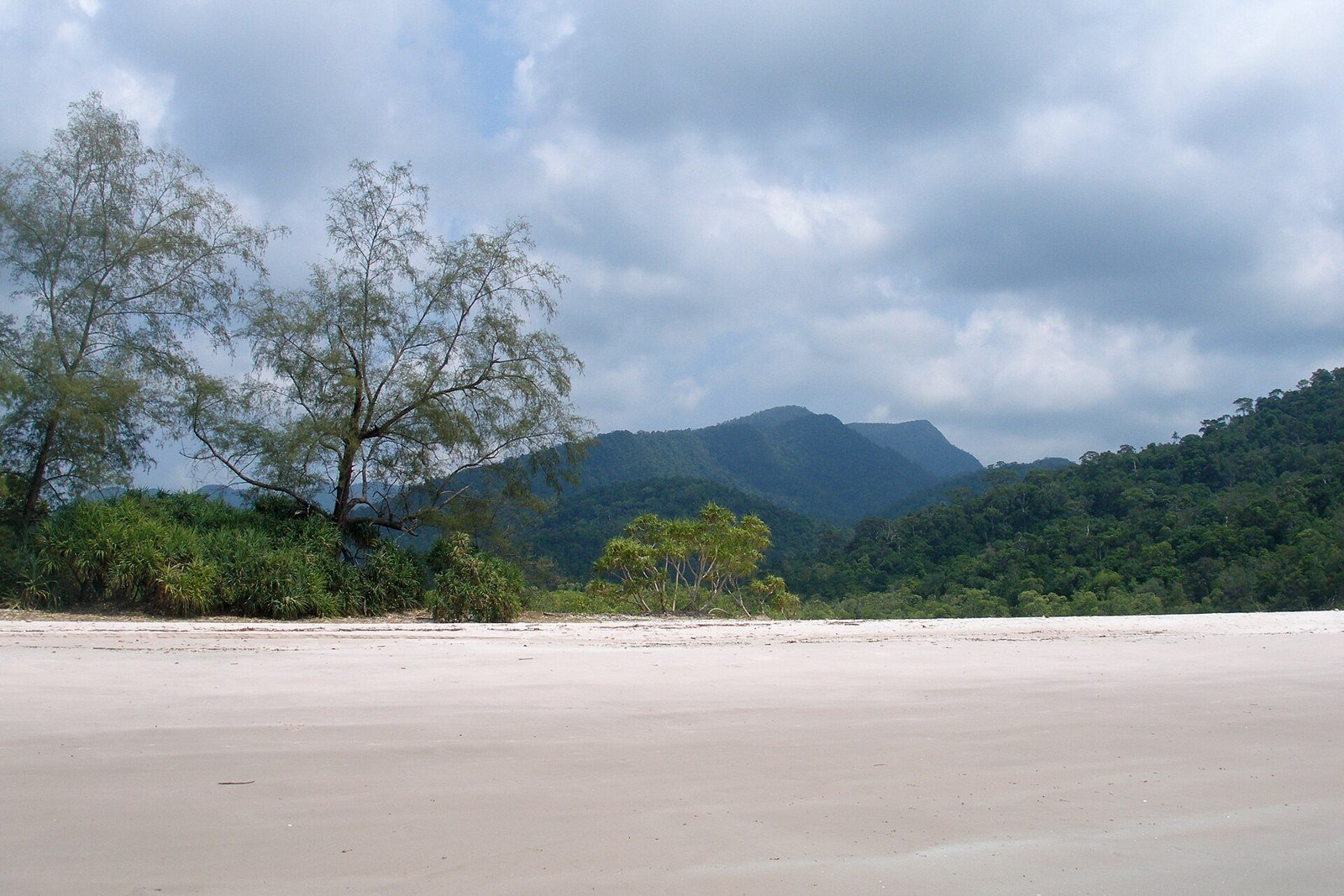
The Department of National Parks places Tarutao in Satun’s Andaman waters and describes a landscape of hills, forest and distinct bays. Ko Adang and Ko Rawi are separate islands in the wider park region. A room on Lipe cannot be described as a room on the main island simply because both appear in a Tarutao-area holiday.
That distinction changes the useful question when booking. Instead of asking whether a boat “goes to Tarutao,” ask where you get off, whether the stop is long enough for your intended visit and where you will board again. A brief landing during an onward service is different from transport arranged for an overnight stay.
Start around Ao Phante Malaka
TAT identifies Ao Phante Malaka as the location of the national park headquarters and lists accommodation and camping on Ko Tarutao. This makes it a sensible starting point for understanding the island. Begin with the visitor information available on arrival, then decide which additional outing fits the access arrangements and the time you have.
For a first visit, there is no need to turn the arrival day into an attempt to cover every named bay. A base near the headquarters and an appropriately chosen local activity may be a more useful introduction than spending most of the stay moving between places. Confirm the location of your actual room or campsite rather than treating all park accommodation as one address.
History deserves more than a passing photo stop
TAT’s Tarutao material identifies Talo Wao as part of the island’s historical prison story. It provides a different reason to visit from the snorkelling-and-resort focus of some neighbouring islands. If that history is your priority, ask about the current interpretation area, transport and any guide arrangement before setting aside a short stop on the way somewhere else.
Keep the historical sites distinct from one another. Talo Wao and Talo Udang are different names on the island, not interchangeable labels for any old structure. Use the ranger’s current directions and interpretation rather than assuming that a route mentioned in an older description is independently accessible in the same way today.
Main-island access is not the same as every park site being open
A Satun Public Relations Department report on the 2026 seasonal restrictions explicitly identified Ko Tarutao’s accommodation and camping areas as places that remained available while restrictions applied at other named sites. Some northern and eastern Adang areas and other dive sites had separate restrictions extending to the end of the year.
This is why a broad “Tarutao park closed” or “Tarutao park open” label is not enough for planning. Check the main-island facilities and each excursion you intend to add. The availability of a Tarutao campsite is not permission to enter a closed site elsewhere in the archipelago, while a closure on another island does not automatically cancel a main-island stay.
Arrange the boat as a complete journey
TAT describes boat access from Pak Bara and the possibility of arranging an excursion through local operators. For a self-planned visit, obtain confirmation that your service handles the main-island landing and the return you need. A destination name on a regional route map does not establish that every departure offers the same stop.
If you are continuing to Lipe, check how the Tarutao portion joins that onward journey. Keep the accommodation nights aligned with the confirmed boats, and avoid making an essential mainland connection immediately after an uncertain island return. This is a suggested planning margin, not a published sailing timetable or a promise about how long a crossing will take.
Choose a park stay for the experience it actually offers
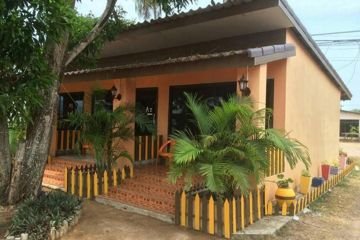
Park accommodation and camping should be compared with each other first, rather than judged as if they were versions of a full-service Lipe resort. Ask the park about the room category, bedding, meals, electricity and facilities that are available for your dates. Older visitor accounts cannot establish the present service arrangements of every accommodation zone.
Before reserving, identify any requirement that would determine whether you can comfortably stay: the approach to the room, bathroom arrangements, steps or the need for particular equipment. This guide does not certify step-free access or continuous electricity. A precise answer from the responsible operator is more useful than a generic label such as “suitable for everyone.”
Walks, caves and bays need individual choices
Official destination descriptions include Pha To Bu viewpoint, several beaches and Crocodile Cave among the island’s attractions. They are different outings, not a single short walking circuit. Ask about the route condition, any required boat or guide and the point at which the activity returns you to your base.
Select an outing that matches your interest rather than collecting place names. A historical visit, a viewpoint walk and a boat-and-cave excursion make different demands on time and mobility. If access is uncertain, keeping time around your confirmed base is a valid plan. The island’s size is a reason to be selective, not a reason to assume everything can be reached between two passing boats.
Sources & further reading
Sources checked on 28 October 2026. Specific opening, sailing and access details should be confirmed with the responsible operator.