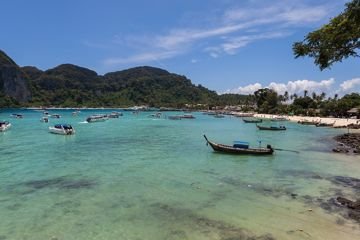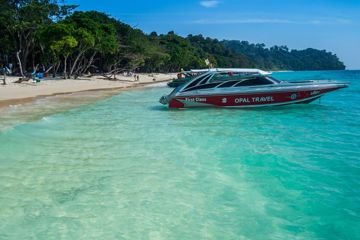
Koh Lanta Yai is easier to understand as a place to stay and explore by area than as a single beach destination. The west coast has a succession of beach bases; the east coast includes established communities and Lanta Old Town. Your arrival point, beach choice and plans for the following days need to work together. An island name on a booking is not enough to settle those choices.
Know which Lanta you are booking
TAT distinguishes Lanta Noi, nearer the mainland, from Lanta Yai to its south. Most of the visitor attractions and beach accommodation discussed in this guide are on Yai. The islands are connected by a bridge, as described by the island-based Pimalai resort, but that does not mean that every mainland arrival is a continuous road journey without a ferry section.
Keep the full transfer description in view when comparing tickets: the mainland meeting point, any vehicle ferry or passenger boat, and the final road transfer to your accommodation. A service ending at Saladan and a hotel-arranged journey to a southern beach are different products even when both are advertised as a transfer to Koh Lanta.
Use the west coast to narrow the hotel search
TAT lists a chain of west-coast beaches including Khlong Dao, Phra Ae, Khlong Khong, Khlong Nin and Ba Kan Tiang. That gives you a useful way to organise a shortlist. Compare properties within the same coastal section first, then decide whether another part of the island better fits the days you want to spend there.
A northern beach base makes a different starting point from a property farther south. Rather than attaching a universal journey time to either, look at the actual excursions and pickup arrangements you intend to use. The better choice may be the beach where you want to spend most of your time, provided its arrival and outing arrangements are practical for your party.
Let one beach day remain a beach day
An effective Lanta stay does not need a different distant stop every morning. One editorial approach is to keep the first full day around the beach you selected, then use another day to explore a different coast. This lets you assess the setting you paid to stay in without making every breakfast the start of a transport exercise.
Phra Ae, Khlong Nin and Ba Kan Tiang appear separately in TAT’s island description. Use those names when reading a hotel address or arranging pickup rather than relying on the broad word “Lanta”. A property marketed with an attractive beach photograph still needs an exact entrance and a clear explanation of how you reach local dining or your next departure.
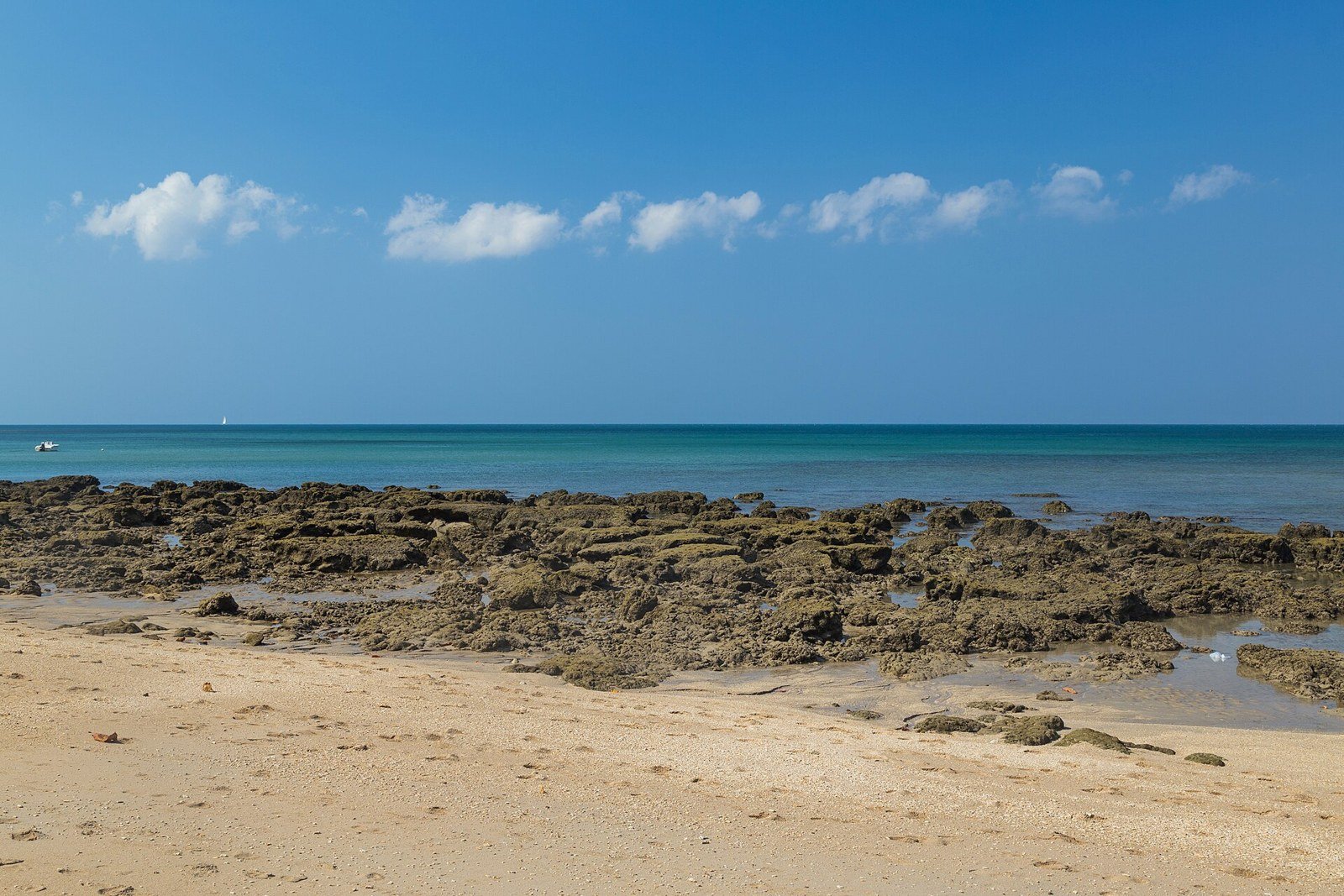
The east coast is a different outing
Lanta Old Town, also known as Ban Si Raya, belongs to the island’s east-coast community setting rather than the west-coast beach sequence. Pimalai’s island information discusses the old town’s Thai-Chinese influences. Visiting it makes more sense as a deliberate cross-island outing than as an assumed addition to any short walk from a beach hotel.
Thung Yi Pheng adds a mangrove and community perspective. TAT describes locally guided boat activities there, including paddled-boat experiences, as well as kayaking. If that is the part of Lanta that interests you, arrange it with the community provider and confirm the meeting place and current programme. Do not assume that an independently hired kayak and a guided community trip offer the same experience.
Put mainland and island transfers in context
Pimalai’s published arrival information demonstrates why an individual hotel’s transfer details matter. It describes Krabi Airport arrangements, seasonal boat options and a vehicle-ferry alternative when marine conditions prevent its normal boat transfer. Those arrangements apply to that resort; other properties may offer, charge for or omit quite different connections.
If you arrive on a passenger service at Saladan, confirm the onward road section before travelling. If you arrive through a package that already includes transport to the hotel, check that the beach and property name are correct rather than booking another overlapping transfer. This is particularly useful when the reservation uses a resort name but the boat ticket uses only a pier name.
Separate the southern park visit from offshore islands
The southern tip of Lanta Yai contains the national park headquarters area and the island’s well-known lighthouse, according to TAT’s island listing. A land visit there is not the same booking as a boat trip to Ko Rok or other offshore destinations. Choose which experience you want before comparing an excursion’s price or inclusions.
For an offshore day, examine the departure point, the planned stops and whether the route operates for your dates. TAT’s Lanta destination information lists activities such as Ko Rok trips and diving, but a destination overview is not confirmation of a particular operator’s current sailing. Keep a land-based alternative available if the boat outing is cancelled.
Choose transport to match the day
TAT describes hired pickup-style transport on Lanta, while Pimalai also identifies taxi and car-rental options. This supports planning an outing by road, but it does not establish a fixed island-wide fare or an on-demand vehicle waiting at every beach. For a return trip, agree the collection arrangement as clearly as the outward ride.
A car, hired vehicle with driver or a provider’s organised pickup can suit different groups. Match the arrangement to luggage, children, mobility and the places you actually want to visit. This guide does not recommend that an inexperienced visitor learn to ride a motorcycle as a condition of enjoying Lanta.
Build a stay with room for changing conditions
Pimalai describes November to April as the usual busier travel season and May to October as the quieter period with changeable weather. That broad pattern helps explain why marine trips and land-based time should not be treated identically. It is not a forecast for the week you visit.
For a short break, choose one beach base and one additional island outing rather than a series of hotel changes. For a longer stay, you can explore both coasts while keeping the same room. Either way, preserve enough space around the return transfer that a final-day excursion does not become the only thing standing between the island and an onward flight.
Sources & further reading
Sources checked on 28 October 2026. Specific opening, sailing and access details should be confirmed with the responsible operator.